Programs for College & Gap Year Students
FPA offers 2 programs for college and gap year students. All are structured programs taught by board-certified practicing physicians and medical school faculty.
1. Online Medical Publishing program
[various times throughout the year, on zoom]
In this program, students learn the nuts and bolts of medical publishing. Topics covered include mechanics of academic writing, understanding the different types of medical publications (case reports, review articles, survey reports, meta-analyses, data notes, technical summaries, etc) how to research the medical literature, formatting references in the appropriate style, choosing a journal, responding to reviewer comments, manuscript preparation, and dealing with rejection. The Professors continue to work with the students 1:1 until their project is published. The journals we publish in include Journal of Craniofacial Surgery, Orthopedic reviews, International Journal of Emergency medicine, Academic Medicine & Surgery, Radiology Case Reports, Academic Anesthesia, Journal of Orthopedics, Journal of Clinical Orthopedics and Trauma, and more. The publication is guaranteed, and the student is the first author. Students also receive a medical publishing course certification. Course tuition is $3500. Sign-up here
2. Summer Clinical Research program
[July 12-17, 2027, in-person]
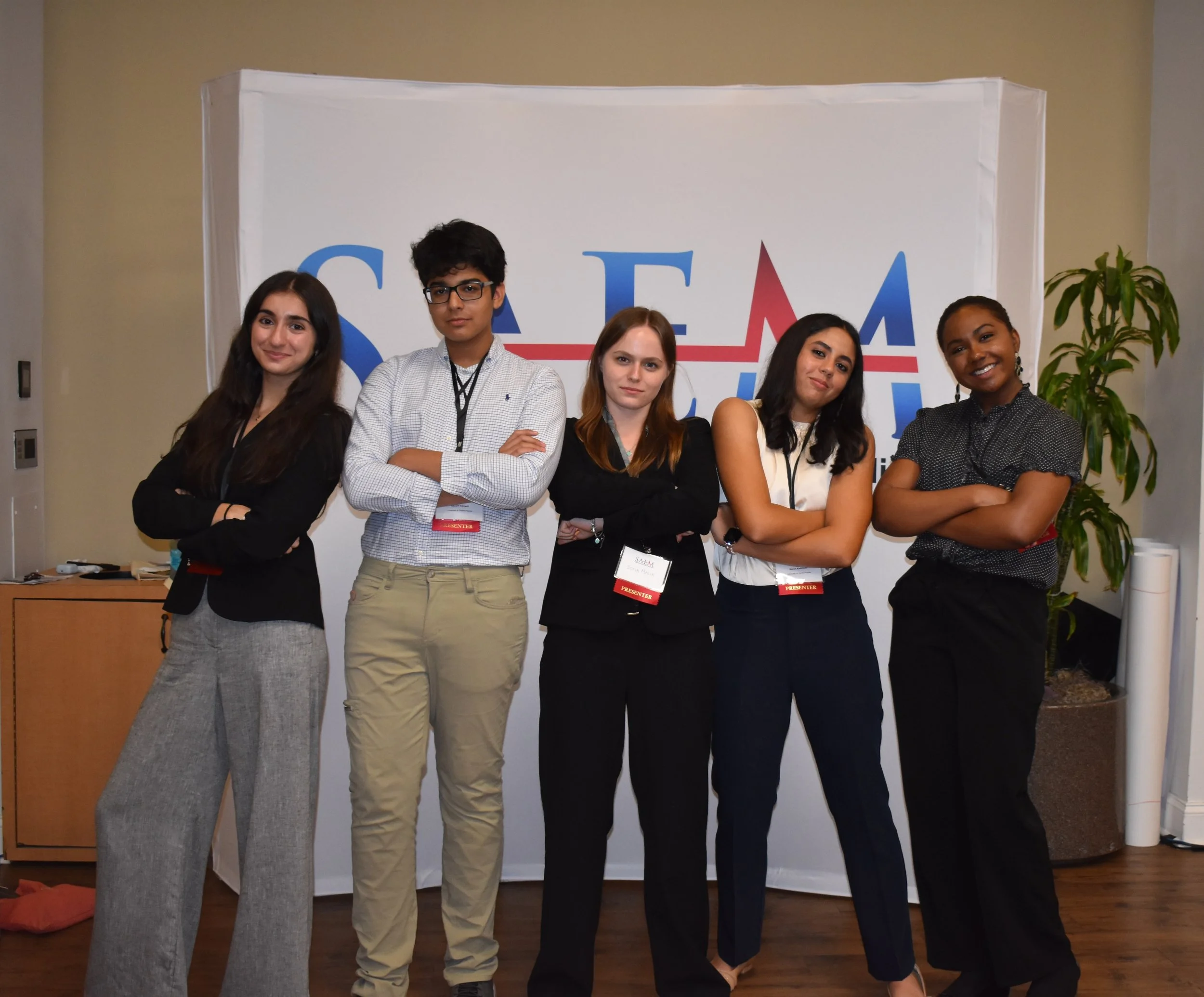
Students in this program work on a clinical research project in which they analyze patient level data. Using logistical regression techniques, students build several models to decipher which one makes the most clinical sense, within statistically significant models. They learn to design their research abstract, present their research, and ultimately complete a full-length manuscript for a medical journal. All students present their work at the SE Society of Academic Emergency Medicine meeting. All students are first authors on their abstracts and manuscripts, and this course results in 2 publications (the abstract and the manuscript). In addition to clinical research, students also participate in the Premedical Personal Advising Program. (July 12-17, 2027, $4200).
PREMEDICAL PERSONAL ADVISING PROGRAM
Part I: Students receive personal guidance on their premedical trajectory including when and how to take their MCAT, planning college courses, and insight into what medical school admissions committees look for, such as leadership, volunteering, shadowing, research publications, and how to obtain these opportunities.
Part II: A guided discussion of the various medical and surgical specialties, the personalities they are best suited for, the components of reimbursement, procedural scope, ancillary staffing models and more are discussed to help students make an informed choice.