-
For students serious about a future in medicine, the FPA Premed Scholars Program is an immersive, outcomes-driven experience designed to replicate the rigor and expectations of early medical training.
This comprehensive program includes:
Four Core Clinical Courses
(Choose 4 from our 9 clinical specialty courses)Medical Writing & Publishing Program
→ Students publish their work in a PubMed® indexed journalClinical Research Program
→ Structured mentorship from idea to submission→ Publish your abstract and research manuscript in 2 separate journals (total 3 publications)
National Conference Participation
→ 1–2 presentations at major medical meetingsHospital Shadowing Experience
Personalized Letter of Recommendation
College & BS/MD Admissions Guidance
→ Including Common App and personal statement review, and awardsHighly selective, enrollment capped at 35 students
-
This program provides hands-on exposure across selected specialties. Choose any 4 of our clinical programs and get a $1000 scholarship discount (built in).
-
We offer 9 individual clinical courses. These can be taken in any order, no prerequisites.
Cardiology 1-Emergency Cardiology & Resuscitation
Cardiology 2- Clinical Cardiology: Murmurs, Malformations, Metabolics & Myopathies OR Cardiology & resuscitation
Trauma & Surgical Skills
Neurology 1: Neurologic Emergencies & Neurocritical Care
Neurology 2: Neurodiagnostics & Neuroimaging in Brain and Spinal Cord disorders
Psychiatry & Mental Health
Pediatrics, & Women’s Health
Anesthesia & General Surgery
Dermatology & Plastic Surgery
Clinical Courses
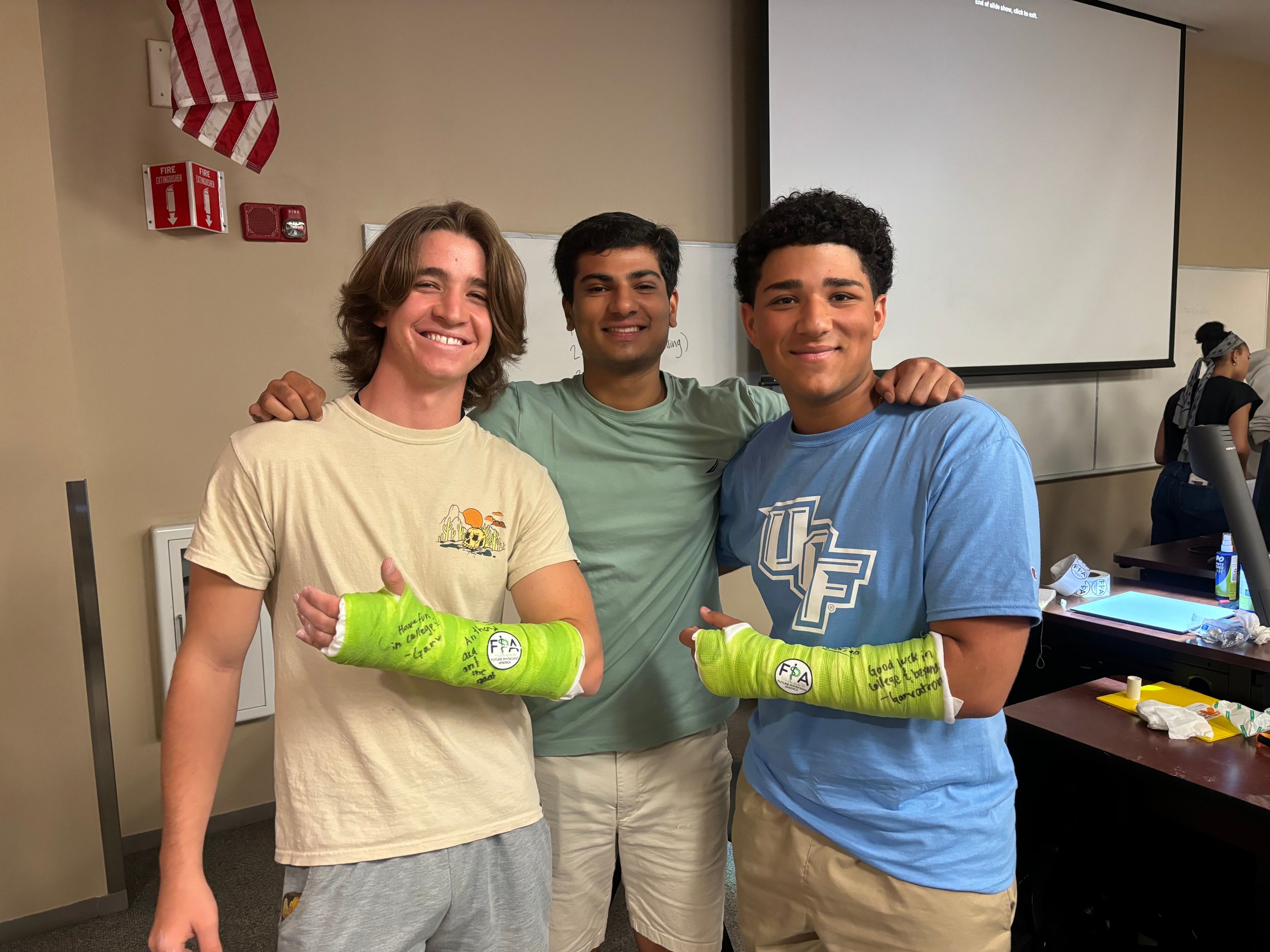
1) The Emergency Cardiology & Resuscitation course (Session 1: May 27-30, 2027; Session 2: June 1-4, 2027) is an intensive one-week camp covering courses designed by the American Heart Association and American Red Cross, and campers obtain official course certifications. Topics covered include resuscitation, anaphylaxis, opiate overdose, cardiopharmacology, and more. During this week we do hands-on medical simulation, a heart dissection, and delve into acute care resuscitation topics. We will also complete a course on EKG interpretation, and learn how to read a chest x-ray.
2) The Clinical Cardiology: Murmurs, Malformations, Metabolics & Myopathies course (June 7-11, 2027)
3) The Trauma and Surgical Skills program (Session I: June 1-4, 2027; Session II: June 14-18, 2027) teaches hands-on skills such as suturing, splinting, basic point of care ultrasonography, airway management, epistaxis control, abscess incision and drainage, history and physical examination skills. We also have formal didactics on special topics in medicine, including a certification from the American College of Surgeons. We will solve various clinical cases using problem-solving skills, including laboratory and imaging interpretation. May 31 is a University holiday, so this is a 4-day camp.
4) The Medical Writing & Publishing course(June 14-18, 2027) introduces students to medical writing, study design, and how to search the medical literature and report results to support their work. We will also learn how to critically appraise published works. Students work on an individual project that will be published in a Pubmed indexed peer-reviewed medical journal. All students are first authors on their paper. Remote option possible. June 18th is University holiday, so this is a 4-day camp.
5) The Neurologic Emergencies & Neurocritical Care course (June 21-25, 2027) covers stroke, epilepsy, brain injury, headache, CNS infections and more. We learn how to use a reflex hammer, perform a lumbar puncture, use a peripheral nerve stimulator, perform cerebrospinal fluid analysis, obtain certifications from the American Stroke Association, and learn how to read a brain computed tomography (CT) scan. We keep it intriguing, and even solve a neurologic emergency in an escape room setting. We partner with the American Academy of Neurology for this course.
6) The Neurodiagnostics & Neuroimaging in Brain and Spinal Cord disorders course (June 28-July 2)
5) The Pediatrics & Women’s Health course (June 21-25, 2027): The pediatrics component covers normal pediatric development, diseases of childhood, anticipatory guidance, and pediatric resuscitation. The ob-gyn component introduces students to reproductive anatomy using anatomical models and labeling exercises, and participation in menstrual cycle and hormone regulation simulations to understand normal and abnormal physiology. We explore the world of labor and delivery using birthing mannequins to learn to deliver a baby, learn to interpret fetal heart rate tracings, perform a speculum pelvic exam, newborn APGAR scoring, control of post-partum hemorrhage, and episiotomy repair on task trainers. We learn interpretation of gynecologic ultrasound and pathology images, and engage in patient-centered communication role-play scenarios. Additional didactic topics include sexual health, gynecologic oncology, and reproductive endocrinology (infertility, menopause, PCOS).
5) The Psychiatry course (July 6-9, 2027) covers schizophrenia, ADHD, mood disorders including depression, anxiety and bipolar disorder, and other selected topics. We learn how to conduct a formal psychiatric history, and receive certification in cognitive assessment. We explore the use of neuroimaging for psychiatric disease and learn about electroconvulsive therapy for refractory cases. We partner with the National Alliance for Mental health (NAMI) for this course. Please note July 5 is a University holiday, so this camp is only 4 days.
6) The Clinical Research program(July 12-17 2027) introduces students to research methodology and biostatistics in medicine, and campers work on their own individual dataset. They will learn how to code variables, and how to write questions to get the information they need. Once data collection is complete, students will learn how to analyze these results and write them up for publication. All students are first authors on their research paper, which will be published in a Pubmed indexed peer-reviewed medical journal. Students will also learn how to write a research abstract and present their work at the Society of Academic Emergency Medicine meeting on July 17th, 2027. Acceptance into the clinical research program is via the FPA Premed Scholars program. It is very competitive and class size is capped at 35.
7) The Anesthesia & General Surgery course (July 12-16, 2027) covers hands-on anastomoses closure and advanced suturing using laparoscopic trainers, hands-on neuraxial anesthesia including spinals & epidurals, advanced airway techniques, ventilator management, anesthetic pharmacology, blood gas analysis, respiratory & cardiovascular physiology, operating room logistics, pre-operative patient optimization, operative complications, and more.
7) The Dermatology & Plastic Surgery course (July 19-23, 2027) covers skills such as punch biopsies, KOH prep, melanoma recognition, and how to do a skin exam. Students will learn advanced suturing techniques using their own simulated facial laceration trainers, including the ear, lip and nose. We also learn surgical knot tying, techniques to minimize scarring, the science behind skin grafts, and more. In our “potion lab” students get to make their own branded lotion using their preferred emollient base and experiment with a variety of scents. Our guest faculty include practicing oculoplastics and vascular surgeons.
VIRTUAL OPTIONS
For students who are unable to join us in person, we offer the Cardiology and Resuscitation course virtually from July 6-9, 2027. This course has more of an independent study component, where students receive the course material after registration. Class time is used for exam review.
Location
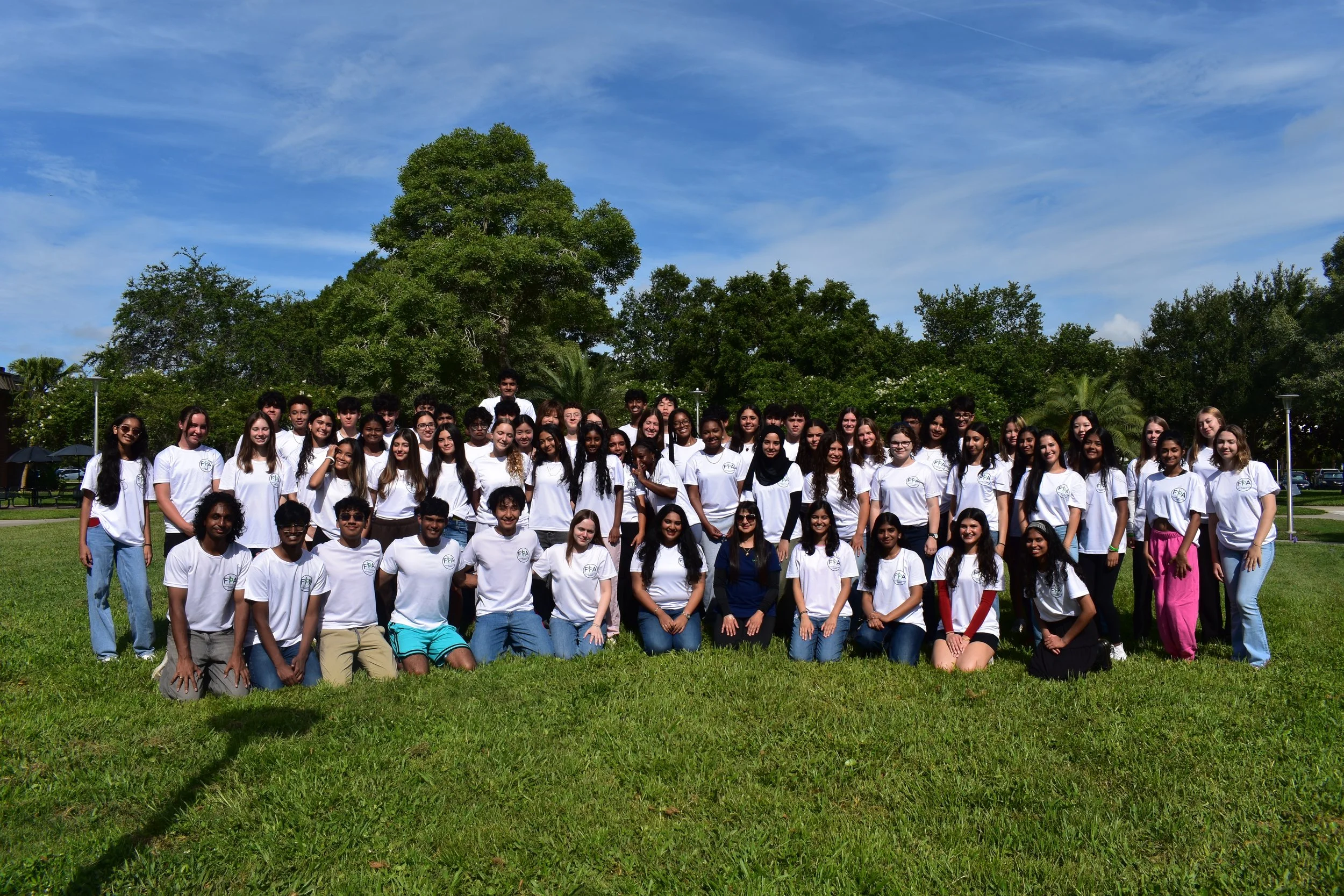
FPA summer camps are held on the University of Central Florida campus, located at 4000 Central Florida Blvd. Orlando, Florida. UCF’s 1,415-acre main campus in east Orlando is impressive in size and even bigger in potential. Modern facilities and state-of-the-art technology keep you connected to classwork and social communities, while 800 acres of woodlands, lakes and an arboretum help you reconnect with nature. Whether you’re inside a classroom or outside exploring, our campus is an exciting place to learn — and an easy place to love.
Dates
Cardiology 1 (Emergency Cardiology & Resuscitation): *June 1-4, 2027 in-person; July 6-9, 2027 virtual
Cardiology 2 (Clinical Cardiology: Murmurs, Malformations, Metabolics & Myopathies OR Cardiology & resuscitation): June 7-11, 2027
Trauma and Surgical Skills: Session I: June 1-4, 2027; Session II: June 14-17, 2027 (same course, offered twice)
Med Writing & Publishing: *June 14-17, 2026. Remote option possible.
Neurology 1 (Neurologic Emergencies & Neurocritical Care): June 21-25, 2027
Neurology 2: (Neurodiagnostics & Neuroimaging in Brain and Spinal Cord disorders) June 28-July 2, 2027
Psychiatry & Mental Health: *July 6-9, 2027
Clinical Research: July 12-17, 2027
Anesthesia & General Surgery: July 12-16, 2027
Dermatology & Plastic Surgery: July 19-23, 2027
Pediatrics & Women’s Health: June 21-25, 2027
Housing on the university campus is available and is first come first served after acceptance.
Camp Hours are 9a-2p for all camps, except virtual cardiology which meets 7-9pm.
No camp on May 31, June 18, July 5, 2027 (*University holidays)
Please note Clinical Research includes additional all day attendance at the Society of Academic Emergency Medicine meeting on Saturday July 17, 2027.
Application
Application must include the FPA application form and personal statement, a school transcript, and SAT, ACT or PSAT scores (teacher recommendation can be used in lieu of scores).
Due to the individualized and hands-on nature of our programs, we are only able to accept a limited number of students.
International and out-of-state students are welcome to apply.
Applications are highly competitive, please do not pay until you have received a decision on your application.
Tuition
FPA Premed Scholars (Flagship program): $12,500
FPA Clinical Track (4 clinical courses of your choice): $7000
FPA Individual Clinical Specialty Courses: $2000
Housing: $475/week (First come first served, deadline April 30th)
Tuition is only payable after acceptance.